iran Protests Intensify as Nationwide Unrest Challenges Government Authority
Iran is witnessing widespread protests across major cities amid economic crisis and political repression. Security crackdowns, internet shutdowns, and international pressure deepen the crisis.
- iran Protests Intensify as Nationwide Unrest Challenges Government Authority
- Iran Faces Renewed Wave of Nationwide Protests
- What Triggered the Latest Iran Protests?
- Protests Spread Across Major Cities
- Security Crackdown and Rising Casualties
- Internet Shutdown Limits Information Flow
- International Reaction and Diplomatic Pressure
- Voices From the Ground
- What Lies Ahead for Iran?
- Conclusion
Iran Faces Renewed Wave of Nationwide Protests
Iran is once again at the center of global attention as large-scale protests continue to spread across the country. Demonstrations, which began as public anger over rising prices and economic hardship, have now grown into a broader movement questioning governance, political freedom, and state accountability.
From Tehran to Mashhad and Isfahan, streets have filled with protesters despite heavy security presence, signaling one of the most serious internal challenges Iran has faced in recent years.
What Triggered the Latest Iran Protests?
The immediate trigger for the unrest has been Iran’s worsening economic crisis. Soaring inflation, a sharply devalued currency, fuel shortages, and unemployment have pushed millions of Iranians to the brink.
Local traders, factory workers, and students were among the first groups to protest. However, frustration quickly spread beyond economic issues, with protesters voicing anger over political restrictions, lack of transparency, and limited civil freedoms.
Protests Spread Across Major Cities
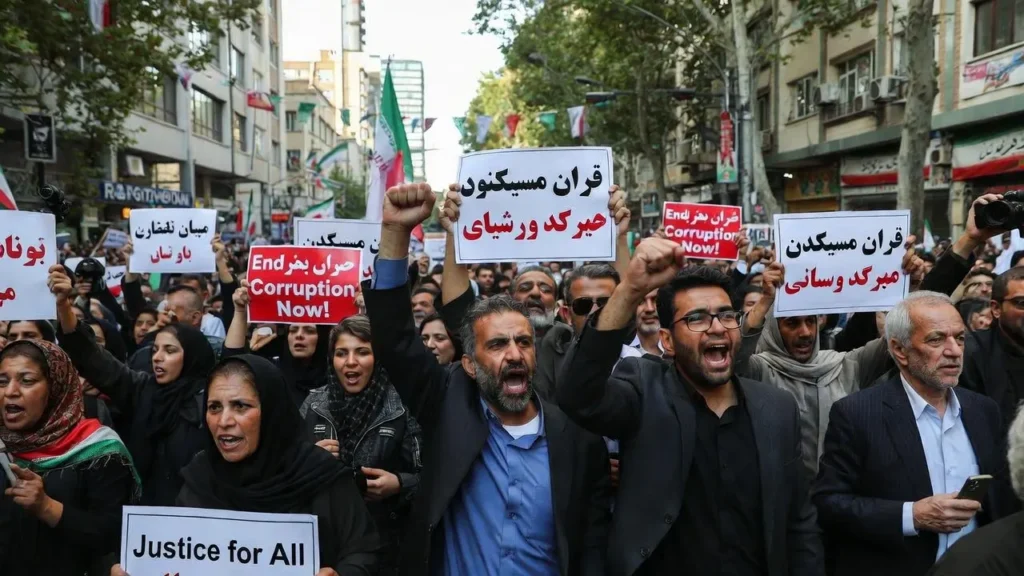
According to reports from human rights groups and independent observers, protests have erupted in more than 40 cities across multiple provinces. Major urban centers including Tehran, Shiraz, Isfahan, Ahvaz, and Tabriz have seen repeated demonstrations.
Despite arrests and roadblocks, protesters continue to gather, often chanting slogans calling for change and accountability. Many demonstrations have taken place at night to avoid security forces, reflecting both determination and fear among participants.
Security Crackdown and Rising Casualties
Iranian authorities have responded with a strict security crackdown. Riot police, paramilitary units, and intelligence forces have been deployed in protest-hit areas.
Human rights organizations report:
- Mass arrests, including students and journalists
- Use of force, including live ammunition in some cases
- Raids on homes and hospitals treating injured protesters
Exact casualty numbers remain unclear due to restricted reporting, but activists claim hundreds—possibly thousands—have been killed or injured since the unrest began.
Internet Shutdown Limits Information Flow
One of the government’s most controversial actions has been a near-total internet blackout in several regions. Social media platforms and messaging apps have been blocked, making it difficult for protesters to organize and for the outside world to access real-time information.
Digital rights experts say such shutdowns are aimed at suppressing dissent and preventing documentation of abuses, while critics argue they further isolate Iranian citizens from global communication.
International Reaction and Diplomatic Pressure
The situation in Iran has drawn strong reactions from the international community.
- The United Nations has expressed serious concern over reports of excessive force and civilian deaths.
- The United States and European nations have announced fresh sanctions targeting Iranian officials linked to human rights violations.
- Global human rights groups have called for independent investigations into the crackdown.
Despite diplomatic pressure, Iranian officials maintain that the protests are being fueled by “foreign interference,” a claim rejected by activists and observers.
Voices From the Ground
Iranians living abroad and inside the country have continued to share stories of fear, courage, and loss. Many describe a population exhausted by economic pressure and political uncertainty but unwilling to remain silent.
Families of detained protesters have appealed for information, while activists say the movement reflects long-standing demands rather than isolated anger.
What Lies Ahead for Iran?
As protests continue, Iran stands at a critical crossroads. Analysts say the government faces two choices: intensify repression or address the deep-rooted economic and political grievances driving the unrest.
For now, demonstrations persist despite risks, showing that public dissatisfaction remains strong. Whether this moment leads to reform or further confrontation remains uncertain
Conclusion
The ongoing Iran protest movement marks a significant chapter in the country’s modern history. What started as economic frustration has evolved into a nationwide call for change. With mounting casualties, internet restrictions, and international scrutiny, the situation remains volatile and deeply concerning.
The coming weeks will be crucial in determining whether dialogue, reform, or further escalation defines Iran’s path forward.
Current Live Share Price (as of 16 January 2026)
Author Profile

- Global Daily Post – Your Trusted Source for Global News & Updates
Globle Daily Post is a leading news platform that covers cricket news, automotive launches, gold silver rates, and international news in real-time.
Latest entries
 IndiaMarch 18, 2026Renault India 2026 Launch Expected Features Price Mileage & Full Details
- WorldMarch 12, 2026Is The Gulf Questioning US Security Guarantee? Rising Doubts Over America’s Role in Middle East Security
- IndiaMarch 7, 2026India vs New Zealand Final Press Conference Live Updates: How SKY Reacted to Santner’s Big Comment Before T20 World Cup Final
- IndiaMarch 7, 2026Future Will Be Much More Multipolar, Says S Jaishankar: India’s Vision for a Changing Global Order